
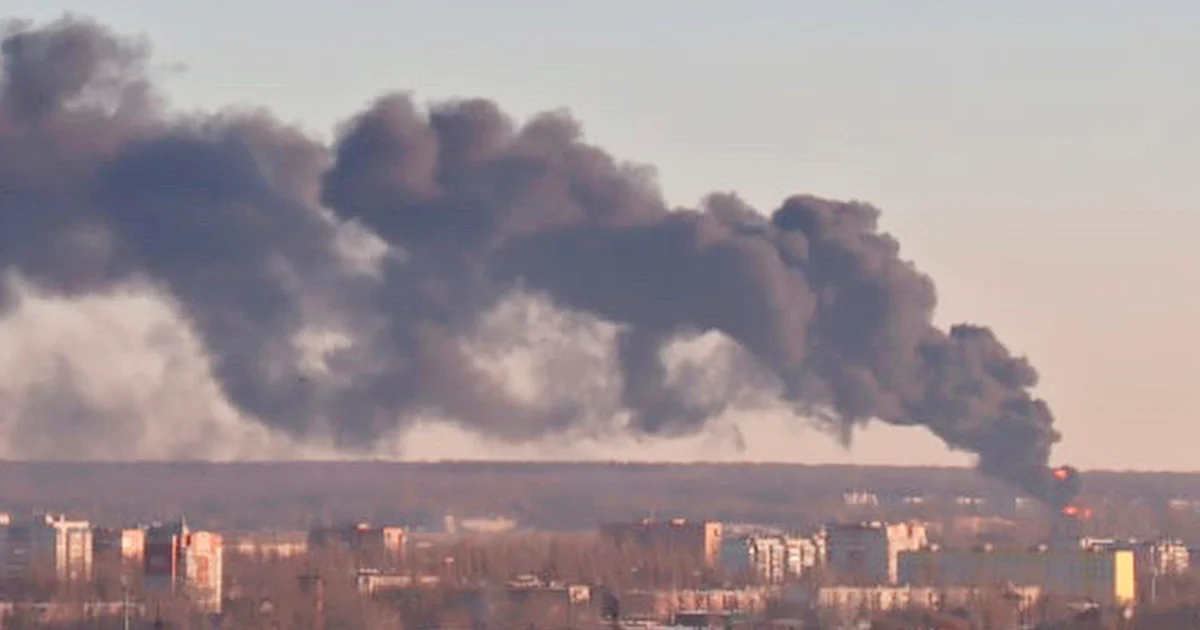
Per la terza volta in pochi mesi la Russia subisce un duro colpo all’interno del suo territorio da parte dell’accoppiata NATO-Ucraina. Il 22 marzo, l’attentato (con strage) al Crocus City Hall, a quattro passi da Mosca. Il 23 maggio, l’attacco riuscito alla rete di radar Voronezh-M di importanza strategica per l’ombrello nucleare russo, perforato ad Armavir nella regione di Krasnodar. Nei giorni scorsi l’invasione dell’area di Kursk e la presa di 28 villaggi (o forse più: i dispacci ucraini, smentiti da quelli russi, parlano oggi di 70).
L’ultimo colpo è sicuramente il più duro per il regime putiniano: per la prima volta dal 24 febbraio 2022 una fetta, seppur minuscola, di territorio russo è caduta nella mani dei “banderisti di Kiev”. Non a caso Putin ne ha parlato subito come di una “provocazione su vasta scala”, senza minimizzarla affatto, e ha chiamato in causa direttamente i “padroni occidentali” dell’Ucraina, mentre a botta calda il suo vice Medvedev ha accusato i britannici e proposto, in risposta, di “arrivare a Kiev e oltre”. A sua volta il generale Gerasimov ha dato l’indicazione di “schiacciare e distruggere senza pietà il nemico”.
L’invasione dell’oblast’ di Kursk è uno smacco pesantissimo per il Cremlino perché è stato proprio il nemico più screditato/odiato, e che appare vinto sul campo, a riuscire nell’impresa mai tentata da alcuno dal 1945: occupare uno spicchio di territorio russo. E perché, per la prima volta dall’invasione russa dell’Ucraina, il governo russo è costretto ad evacuare centinaia di migliaia di persone sia dall’area di Kursk che da quella di Belgorod – sono i primi profughi di guerra russi (quelli ucraini sono molti milioni).
L’impatto simbolico e politico di questa azione militare è stato ammesso da Putin (“cercano di migliorare la propria posizione al tavolo dei negoziati”, “vogliono portare la discordia” in Russia), e nello stesso tempo negato, quando ha affermato che “non otterranno il risultato sperato”, e che dopo questo attacco l’arruolamento dei contrattisti volontari per l’esercito russo è cresciuto. Si è detto certo della forza dello spirito nazionale come fattore-spinta di questo arruolamento. E per quanto il sostegno alla guerra appaia in calo (o in forte calo), sarebbe sciocco negare l’esistenza di questo sentimento nazionalista, specie nelle vecchie generazioni e quando il nemico evocato è “l’Occidente collettivo”. Tuttavia anche nella romantica Russia – specie là dove i rubli non abbondano – si fanno conti elementari, tipo quello che segue. Il salario operaio medio, calcolato in euro, ammonta a circa 400 euro mensili nelle micro imprese, sale a 610 nelle piccole (fino a 100 addetti), a 740 nelle medie (fino a 250 addetti) e 940 nelle grandi. Un primo contratto nell’esercito, invece, va da 448 euro al mese a 996 come paga base, ma sale considerevolmente con i bonus: 130 euro al giorno (4.000 al mese) se si è in prima linea, 53 euro al giorno (1.500 al mese) se si è al fronte, e con quelli che potremmo chiamare premi di produttività: 5.000 euro per ogni aereo e carro armato abbattuto, 3200 per ogni elicottero, 830 per un drone. L’indennità per le ferite va, a seconda della loro gravità, da 1.300 a 50.000 euro; mentre alle famiglie dei soldati caduti vanno 206.000 euro (indennità da poco raddoppiata) e minime pensioni. I grandi rischi dell’arruolarsi e andare al fronte trovano, quindi, una certa compensazione materiale.
Davanti al tracollo delle forze militari ucraine, letteralmente decimate in due anni di bombardamenti e di scontri sul terreno (si parla in modo insistente, da più fonti, di centinaia di migliaia di caduti e invalidi permanenti!); davanti al tracollo dello stato ucraino, diventato uno stato fallito, totalmente nelle mani dei suoi creditori, ed ai cui vertici imperversa una guerra per bande di grassatori – da tempo andiamo ripetendo che la sola risorsa della NATO è portare la guerra in Russia. E portarla con la massima profondità possibile degli attacchi e con il massimo di danni per i civili (le infrastrutture petrolifere della Russia e il ponte di Crimea sono sotto attacco da tempo), in modo da far crescere nella popolazione il malcontento contro il regime putiniano. Magari stando attenti a non esagerare nelle efferatezze contro la popolazione russa, per evitare che questa si stringa intorno al governo di Mosca. La sola cosa esclusa è che gli Stati Uniti, la NATO, l’UE possano accettare la sconfitta – se si tratta di un Afghanistan, passi; ma dall’altra parte c’è niente meno che la Russia, e dietro la Russia, la Cina (sia pur con i suoi calcoli non perfettamente coincidenti con quelli del Cremlino), e non solo.
Quanto a Zelensky & Co. non hanno altra possibilità di sopravvivenza che questa, in particolare dopo che la ribellione alla coscrizione obbligatoria comincia ad assumere la forma di vere e proprie rivolte di massa, di donne soprattutto, come a Kovel’, una cittadina molto vicina al confine polacco, dove ai primi di agosto all’inizio decine, poi centinaia, infine migliaia di dimostranti hanno messo sotto assedio la caserma dei reclutatori. E dove, nonostante il soccorso delle forze speciali accorse per intimidire i dimostranti, gli odiatissimi Te-Tse-Ka hanno dovuto battere in ritirata. Per non parlare dell’abbandono di massa degli arruolati, che secondo la Deutsche Welle ha raggiunto i 30.000 disertori nei soli primi 6 mesi dell’anno.
Che il duo Washington-Londra premesse da tempo in tale direzione, è noto – anche in questo caso permetteteci di ricordare che, contro gli entusiasti “di sinistra” della Brexit, avevamo previsto, bastava un po’ di logica, l’incremento del militarismo nel Regno Unito (1). Ora quella che un tempo era la posizione di assatanati bellicisti come Truss e Sunak, è diventata la posizione ufficiale dell’Unione Europea guidata dalla Commissione von der Leyen-bis: l’Ucraina, cioè la NATO, ha il “diritto” di portare la guerra in Russia usando le armi che noi UE/NATO le diamo. Solo due mentitori professionali quali Crosetto e Tajani possono continuare a biascicare: le armi italiane non verranno usate per portare la guerra in Russia…
Con l’invasione dell’oblast’ di Kursk, quindi, la guerra tra NATO e Russia in Ucraina conosce un ulteriore allargamento/escalation, secondo quella dinamica semi-automatica nota nelle guerre imperialiste che porta al continuo innalzamento dei livelli di scontro perché la posta in gioco è altissima, e chi vede vicino il rischio della sconfitta non ha altra scelta che questa (in questo caso la NATO, per quanto anche la Russia conosca difficoltà crescenti). Non crediamo che il Cremlino deciderà di “andare a Kiev e oltre”, come suggerisce il demagogo Mevdeved. La cosa richiederebbe uno sforzo enorme, probabilmente insostenibile. Ma non mancherà – questo è certo – la “risposta severa” promessa da Putin, che molto probabilmente si abbatterà su tutto il territorio dell’Ucraina, né potrà mancare la controffensiva tesa a scacciare le truppe ucraine e mercenarie dall’area di Kursk, lasciata così improvvidamente scoperta. Insomma: la guerra in Ucraina si allarga, si prolunga e si intensifica, e un passo dopo l’altro avvicina (pur partendo da lontano) lo scontro totale, aperto, tra NATO e Russia.
Tra i lavoratori coinvolti nella guerra, quelli che se ne stanno accorgendo per primi sono proprio gli ucraini, che hanno pagato finora un altissimo prezzo di sangue per mano dei loro “fratelli” russi. Se ne stanno accorgendo attraverso la durissima esperienza quotidiana di fatica, di fame e di morte, nonostante le loro organizzazioni sindacali, anche di “opposizione”, si siano allineate sciaguratamente con il regime, e nonostante che in Ucraina gli oppositori politici accaniti della guerra siano solo sparuti collettivi di militanti della sinistra anti-istituzionale emmelle e anarchica. A loro, qui e nei vari paesi europei in cui si sono rifugiati, dobbiamo dare il nostro sostegno militante, e se possibile concreto, da internazionalisti, opponendoci attivamente all’estradizione dei lavoratori emigrati verso l’Ucraina, pretesa dalla banda Zelensky, che ora vorrebbe indietro anche i bambini (in attesa che raggiungano in fretta l’età per essere mandati al fronte).
Per quel che ci riguarda, la stessa cosa vale per quanti, in Russia, si tratti di giovani compagni che si richiamano al comunismo o di intellettuali pur contraddittori (pensiamo a Boris Kagarlitsky), sono agli arresti da tempo, e lo saranno per anni, per aver denunciato il contenuto reazionario di questa guerra anche dal lato russo (2), dipinti – secondo una consolidata prassi – come “agenti stranieri”.
Ma, non ci stancheremo mai di dirlo, la consapevolezza degli orrori della guerra in Ucraina e del rischio sempre più concreto che essa si trasformi nell’innesco di un conflitto mondiale è tuttora maledettamente indietro rispetto alla velocità con cui la storia ha preso a correre. Il compito più importante è quindi quello di stringere i tempi, usare anche le indispensabili azioni di solidarietà coi disertori di entrambi i fronti per svegliare la coscienza dei proletari qui ed ora, perché cessino di illudersi che la guerra non li riguarda e prendano atto che riarmo, economia di guerra, nazionalismo, campagne martellanti per celebrare la “nostra” industria bellica, infiltrazione sempre più pervasiva della logica militare e machista nelle scuole e nelle università, appoggio sfacciato al genocidio sionista a Gaza, preparazione dei nuovi strumenti repressivi previsti dal DDL 1660, non avvengono per caso: sono il futuro della prossima mobilitazione bellica che, presto o tardi, governo e padroni ci metteranno davanti come unica soluzione possibile.
E se non saranno i proletari organizzati come classe ad opporsi a questo destino, nessuno sarà in grado di farlo.
Note
(1) Il favoloso mondo della Brexit, 2. Militarismo, militarismo, folle e sanguinario militarismo –
Kursk, and what will follow: more war!
For the third time in a few months, Russia suffers a severe blow within its territory from the NATO-Ukraine pairing. On March 22, the attack (with massacre) at Crocus City Hall, a stone’s throw from Moscow. On May 23, the attack on the Voronezh-M radar network of strategic importance for the Russian nuclear umbrella, drilled in Armavir in the Krasnodar region. In recent days, the invasion of the Kursk area and the capture of 28 villages (or perhaps more: Ukrainian dispatches, denied by Russian ones, now speak of 70).
The latest blow is certainly the hardest for the Putin regime: for the first time since February 24, 2022, a slice, albeit a tiny one, of Russian territory has fallen into the hands of the “Kiev Banderites”. It is no coincidence that Putin immediately spoke of it as a “large-scale provocation”, without minimizing it at all, and directly called into question the “Western masters” of Ukraine, while his deputy Medvedev accused the British and proposed, in response, to “get to Kiev and beyond”. In turn, General Gerasimov gave the indication to “mercilessly crush and destroy the enemy”.
The invasion of the Kursk oblast is a very heavy blow for the Kremlin because it was precisely the most discredited/hated enemy, and which appears to have been defeated on the field, to succeed in the feat never attempted by anyone since 1945: occupying a slice of Russian territory. And because, for the first time since Russia’s invasion of Ukraine, the Russian government is forced to evacuate hundreds of thousands of people from both the Kursk and Belgorod areas – are the first Russian war refugees (the Ukrainian ones are many millions).
The symbolic and political impact of this military action was admitted by Putin (“they try to improve their position at the negotiating table”, “they want to bring discord” in Russia), and at the same time denied, when he said that “they will not get the desired result”, and that after this attack the enlistment of volunteer contractors for the Russian army has grown. He said he was certain of the strength of the national spirit as a driving factor of this enlistment. And as much as support for the war appears to be declining, it would be foolish to deny the existence of this nationalist sentiment, especially in older generations and when the evoked enemy is the “collective West”. However, even in romantic Russia – especially where rubles do not abound – elementary calculations are made, such as the one below. The average blue-collar wage, calculated in euros, amounts to about 400 euros per month in micro enterprises, rises to 610 in small enterprises (up to 100 employees), 740 in medium-sized enterprises (up to 250 employees) and 940 in large enterprises. A first contract in the army, on the other hand, ranges from 448 euros per month to 996 as basic pay, but rises considerably with bonuses: 130 euros per day (4,000 per month) if you are on the front line, 53 euros per day (1,500 per month) if you are at the front, and with what we could call productivity bonuses: 5,000 euros for each plane and tank shot down, 3200 for each helicopter, 830 for a drone. The indemnity for injuries ranges, depending on their severity, from 1,300 to 50,000 euros; while the families of the fallen soldiers receive 206,000 euros (allowance recently doubled) and minimum pensions. The great risks of enlisting and going to the front therefore find a certain material compensation.
In the face of the collapse of the Ukrainian military forces, literally decimated in two years of bombings and clashes on the ground (there is insistent talk, from several sources, of hundreds of thousands of fallen and permanently disabled!); faced with the collapse of the Ukrainian state, which has become a failed state, totally in the hands of its creditors, and at the top of which a war rages between gangs of greasers – we have been repeating for some time that NATO’s only resource is to bring the war to Russia. And carry it with the greatest possible depth of attacks and with maximum damage for civilians (Russia’s oil infrastructure and the Crimean bridge have been under attack for some time), so as to increase discontent with the Putin regime among the population. Perhaps being careful not to exaggerate in the brutality against the Russian population, to prevent it from rallying around the Moscow government. The only thing ruled out is that the United States, NATO, the EU can accept defeat – if it is an Afghanistan, pass; but on the other side there is none other than Russia, and behind Russia, China (albeit with its calculations not perfectly coinciding with those of the Kremlin), and not only.
As for Zelensky & Co., they have no other chance of survival than this, particularly after the rebellion against compulsory conscription begins to take the form of real mass revolts, especially of women, as in Kovel’, a town very close to the Polish border, where at the beginning of August at first dozens, then hundreds, finally thousands of demonstrators laid siege to the recruiters’ barracks. And where, despite the help of the special forces who rushed to intimidate the demonstrators, the hated Te-Tse-Ka had to retreat. Not to mention the mass abandonment of conscripts, which according to German journalistic sources (Deutsche Welle) has reached 30,000 deserters in the first 6 months of the year alone.
It is well known that the Washington-London duo has been pushing in this direction for some time – also in this case allow us to recall that, against the “left-wing” Brexit enthusiasts, we had predicted the increase of militarism in the United Kingdom (1). Now what was once the position of fast-paced warmongers such as Truss and Sunak, has become the official position of the European Union led by the von der Leyen-bis Commission: Ukraine ( i.e. NATO) has the “right” to bring the war to Russia using the weapons that we EU/NATO give it. Only two professional liars like the Italian ministers Crosetto and Tajani can continue to mumble: Italian weapons will not be used to bring the war to Russia…
With the invasion of the Kursk oblast, therefore, the war between NATO and Russia in Ukraine is experiencing a further expansion/escalation, according to that semi-automatic dynamic known in imperialist wars that leads to the continuous raising of the levels of confrontation because the stakes are very high, and those who see the risk of defeat close (in this case NATO, although Russia is also experiencing increasing difficulties) has no choice but this. We do not believe that the Kremlin will decide to “go to Kiev and beyond”, as the demagogue Mevdeved suggests. This would require an enormous effort, probably unsustainable. But there will be – this is certain – the “severe response” promised by Putin, which will most likely hit the entire territory of Ukraine, and also a counteroffensive aimed at driving Ukrainian and mercenary troops out of the Kursk area, thus improvidently left uncovered. In short: the war in Ukraine is expanding, prolonging and intensifying, and one step after another is bringing closer (albeit starting from afar) the total, open clash between NATO and Russia.
Among the workers involved in the war, those who are first to realize this are the Ukrainians, who have so far paid a very high price in blood at the hands of their Russian “brothers”. They are realizing this through the very hard daily experience of fatigue, hunger and death, despite the fact that their trade unions, even if they belong to the “opposition”, have unfortunately aligned themselves with the regime, and despite the fact that in Ukraine the fierce political opponents of the war are only a small collectivity of militants of the anti-institutional marxist-leninist and anarchist left.
To them, here and in the various European countries where they have taken refuge, we must give our militant, and if possible concrete, support as internationalists, actively opposing the extradition of migrant workers to Ukraine, demanded by the Zelensky gang, which now also wants the children back (waiting for them to quickly reach the age to be sent to the front).
As far as we are concerned, the same thing applies to those in Russia, whether they are young comrades who refer to communism or intellectuals, albeit contradictory (think of Boris Kagarlitsky), who have been under arrest for some time, and will be for years, for having denounced the reactionary content of this war also on the Russian side (2), depicted – according to a consolidated practice – as “foreign agents”.
But, we will never tire of saying it, the awareness of the horrors of the war in Ukraine and the increasingly concrete risk that it will turn into the trigger of a world conflict is still damned behind the speed with which history has begun to run. The most important task is therefore to tighten up the time frame, to use also the indispensable actions of solidarity with the deserters of both fronts to awaken the conscience of the proletarians here and now, so that they stop deluding themselves that war does not concern them and take note that rearmament, war economy, nationalism, hammering campaigns to celebrate “our” war industry, the increasingly pervasive infiltration of military and macho logic in schools and universities, brazen support for the Zionist genocide in Gaza, the preparation of the new repressive tools provided for by DDL 1660, do not happen by chance: they are the future of the next war mobilization that, sooner or later, the government and the bosses will put in front of us as the only possible solution.
And if it is not the proletarians organized as a class who oppose this fate, no one will be able to do so.
Notes
1) Il favoloso mondo della Brexit, 2. Militarismo, militarismo, folle e sanguinario militarismo –